

A guest post by Carine Gibert, May 2026
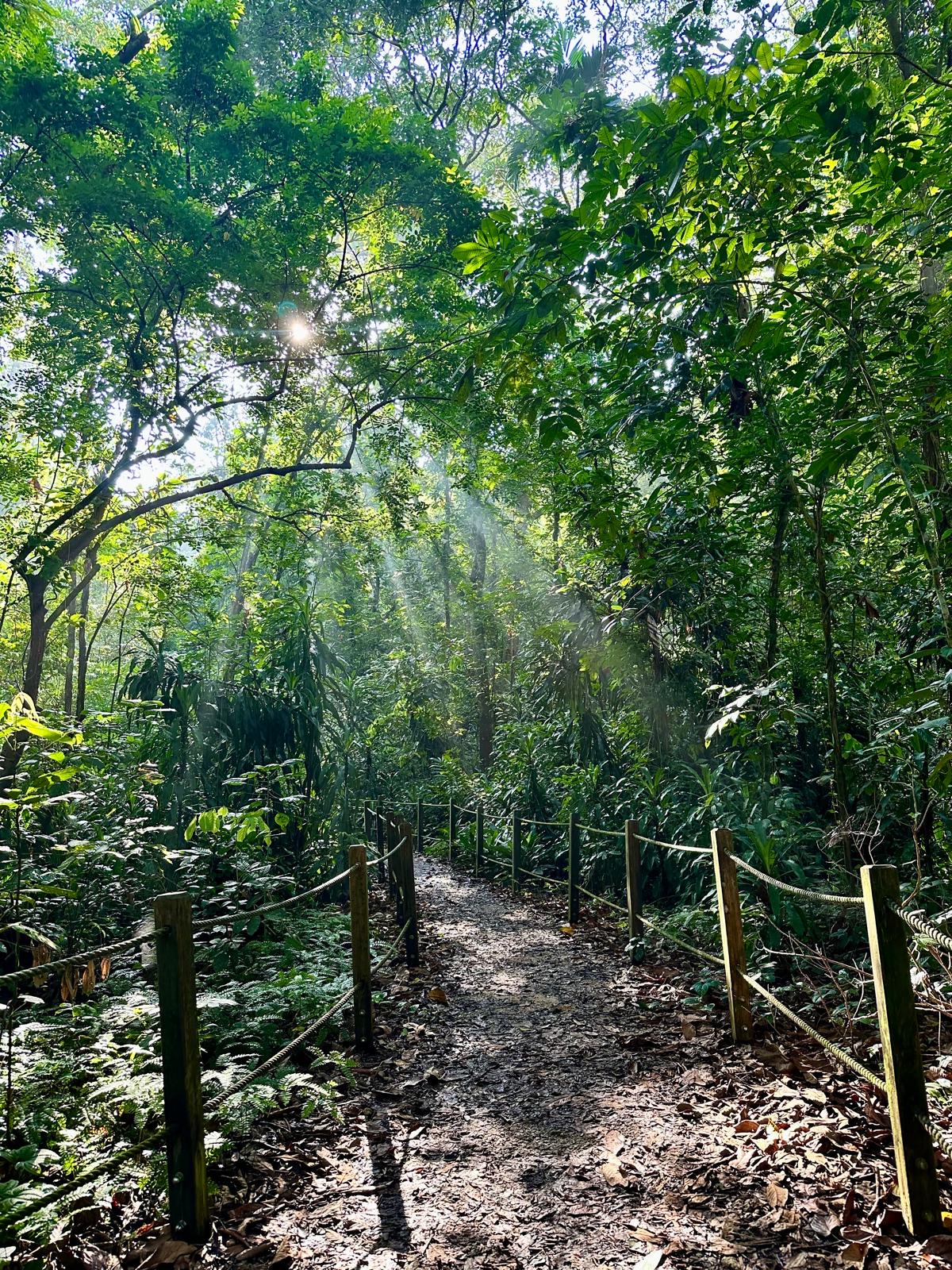
The Earth breathes.
So do we.
We are teaching the next generation to understand ecosystems.
What if we taught them to help shape them and listen to the land?
There is no shortage of data on biodiversity loss, climate disruption, or ecological degradation.
Our educational systems have become remarkably skilled at transferring knowledge. Many students can name ecosystems, chart carbon cycles, and understand the science of climate change. This foundation is vital. But there’s an invitation to go deeper—to bridge knowing with feeling. To awaken the visceral understanding that Earth is not a backdrop to human life but the very condition of it.
This gap between knowing and feeling holds tremendous possibility. It is the space between one who understands climate systems and one who is moved to shape them, heal them, regenerate them. The difference between sustainability as a topic and ecological consciousness as a way of being.
What stories are we passing down about our relationship with the living world?
Human wellbeing and ecological wellbeing have never been separate. At Grounded In Motion, we work with leaders and schools ready to explore this shift. Not by abandoning their existing work and efforts, but by weaving interdisciplinary approaches that acknowledge ecological challenges while co-creating pathways toward regeneration. Where learning awakens reverence for the living world. Where both students and educators embody their role as a regenerative species.
More than that: as keystone species.
In ecology, keystone species are organisms whose presence fundamentally shapes entire ecosystems. Beavers engineer wetlands. Wolves restore rivers. Sea otters protect kelp forests. Remove the keystone, and everything transforms.
Our choices ripple through soil, air, water, and countless lives. We reshape biomes with what we grow, build, protect, and restore.
Imagine if students understood this power not as burden, but as profound invitation.
When young people see themselves as keystone caregivers—conscious architects of thriving ecosystems—something shifts. Climate anxiety transforms into agency. Ecological grief becomes creative fuel. They stop asking “Can one person make a difference?” and start asking “What future am I helping to build?”
This is the story we pass down.
The work carries important nuance. We honor Indigenous peoples in their full identity while helping all students rediscover their own indigeneity to Earth. We recognize that land speaks in myriad languages. That the more-than-human world belongs in our circles of decision making.
What we witness in classrooms is hope. Renewed joy for what is possible. Students shifting from doom toward empowerment. Educators finding fresh purpose in bridging science with poetry, intellect with care.
It is an invitation to institutional evolution—one that recognizes human flourishing and ecological flourishing as inseparable.
The Earth has always sustained us. What becomes possible when the next generation understands their power to sustain it back?
Carine Gibert is the founder and lead facilitator of Grounded-in-Motion, an initiative that merges art, science, and contemplative practice to foster ecological consciousness and human-earth connection. Based in New York, she facilitates embodied learning experiences, designed to help communities process biodiversity loss and build climate resilience.
Carine will be speaking at our Interbeing Assembly: Live event for School Leaders in the MSB Community alongside Dr. Zoe Badcock on Thursday September 17th at 10.30 BST. If you would like to join this small conversational group, send us a note at hello@makingstuffbetter.com and we will happily share an invitation.
