

Dialogue is often the missing link that frees people to take a quantum leap in vision and action.
William Isaacs
We know we live in complex times that demand complex thoughts and conversations – and those, in turn, demand the very time and space that is nowhere to be found.
Jenny Odell
The word dialogue comes from the Greek ‘dialogos,’ from ‘dia’ meaning through, across or between, and ‘logos,’ meaning word, speech, reason or meaning. Together these elements can be interpreted as ‘meaning flowing through words, or conversation across and through people.’
Flowing, across, through. I’m drawn to a quality of porosity, a giving up of defences that otherwise curb what dialogue could become. As with any protective coverings we hold onto at work, it’s an act of vulnerability to give up our ego’s defences, to foreground what might become possible between us if we’re willing to let go of our expertise or ‘fixer’.
The most important parts of any conversation are those that neither party could have imagined before starting.
Reitz, Higgins 2025

A young plant flourishes in rich soil, bathed in sunlight, symbolising growth and new beginnings.
At MSB, we’ve found that the conditions we curate together are the most essential influence on the quality of thinking we can do together.
Imagine new thinking as a green shoot: there is a complex, underground process at work, unseen but trustworthy. As the bud surfaces above ground, there remain threats to its unfolding. We can only support it to survive if we pay attention and offer spaciousness with reverence for its innate potential and process.
This metaphor was brought to life by School Principal Barny Sandow who took part in MSB’s training to become an Action Learning Set Facilitator. ‘We’re creating the conditions for new life (new thinking) to flourish.’
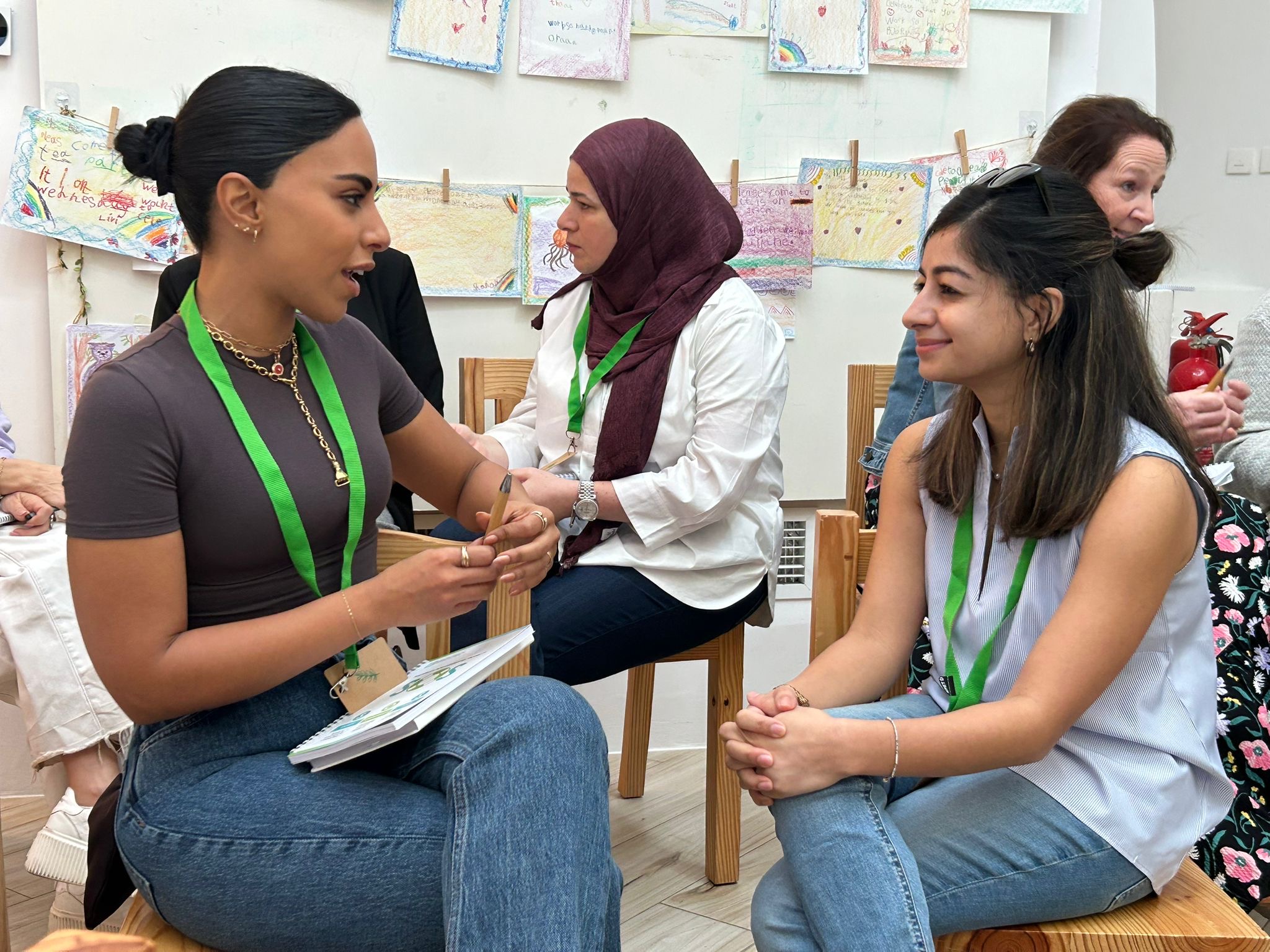
Action Learning Sets are a structured, equitable, facilitated process to support breakthrough thinking, a counter-space to urgent, pressing meetings where few voices dominate.
This programme has reshaped my understanding of
leadership and collaboration. It has reinforced the idea that
meaningful development often comes not from giving answers, but
from creating the conditions for others to think more effectively.”
LinLin Yang, Nord Anglia Guangzhou
Ideally there are six people in this process, held by a facilitator. They are convening to support better thinking on behalf of a team or organisation; situating the process in context matters, because the thinking the group does, is relevant for all and the systems they influence.
It’s a courageous act to hold the boundary of an Action Learning Set, but it matters deeply to principles of valuing all voices, nurturing new thinking, and creating enough spaciousness to think differently, evoking feeling, sensation and intuition, alongside cognitive processing. A counter-space.
Spaciousness is an expansive and unhurried attention where we are neither grasping towards the next moment, nor running away from the previous one. We are aware of our interconnection with the world around us, free from the expectations of how we need to be and what needs to happen next, curious and open to potential.
Reitz, Higgins 2025
It’s an accessible process that works, time after time.
In response to reservations that there is no time to slow down for this, we hear feedback from participants, who are astonished that this simple process surfaces fresh thinking and aligned action in no more than 20 minutes. Often fewer.
If you’re curious to know more, here’s a brief overview of the process.
Arrival
- We slow down, bringing the whole self into the process.
- We complete a brief exercise, connecting to our resources and each other to welcome courage over fear.
What is one thing that has brought you joy this week?
The Heart of the Matter
- We choose one thinker who is supported by the facilitator to get clear enough on what they want to think about, the heart of the matter, on behalf of the system they are part of.
- We call this ‘rightsizing’ what is the work that we can do together now in 20 minutes. This encourages the mind to focus.
What is the shift you are seeking in this time? What matters to you about this? How will you know you are moving forwards? What can we do together that you can’t do alone?
Going Inside
- The rest of the group has been paying attention, listening closely to what the thinker is requesting and how they are being
- Each participant asks an open coaching question and the thinker stays in silence, capturing fresh thinking, choosing the useful questions, connecting the dots and making meaning inside.
- The best questions are obvious, offering permission to explore widely.
What’s possible? What’s not clear yet? What’s the opportunity? The risk? What else?
Surfacing New Thinking
- The thinker shares what is emerging, the green shoots, and requests further support from the group.
Going Deeper
- The group encourages the thinker to explore more deeply, offering feedback, observations, challenge and continued spaciousness.
- The facilitator holds the boundary of respect fot the thinker’s requests
I find myself wondering if…. I notice that when you share this, you become… What’s the story you’re telling yourself about… What do you know now that you didn’t know before? What’s happening for you now? What’s shifting?
Action
- The facilitator supports the thinker to create courageous action: this might be a small step, a letting go, a request for help, a bold decision.
- The thinker knows they are accountable to the group for doing the work ‘in the field’ so they tend to do it!
What are you committing to? What will support you? How might you get in your own way? How will you be accountable?
Appreciation
- To close, each person shares a quality they appreciate in the thinker, the very qualities that will support them to move forwards.
While the structure matters, we are also deliberately practising how to be with each other.
We commit to practising a quality of attention that ignites, an ease with spaciousness, an appreciation for the brilliance of the human being we are witnessing, respect for each others’ unique process and a level of challenge that takes courage, always in service of the thinker’s thinking and their entangled systems.
Without any spaciousness, our emotions and thoughts feel constricted, rushed, busy or stuck, stressed and partial, often revolving around the past or the future. We can feel isolated, separate from others and the world, which we value solely in terms of utility.
Reitz, Higgins 2025
This process is a powerful way of creating collaborative, equitable, respectful working culture on a small scale, that can ripple out to other shared spaces of thinking together, such as meetings, classrooms and governance processes. It’s an antidote to the corrosive pain of urgency that separates and reduces human encounter to transaction. Being together like this matters for the quality of our energy, relationships and wellbeing; to preserve this today is a collective act.
“This programme has created a sense of belonging more effectively
than any number of corporate team-building days ever could.”
-Barney Sandow, Nord Anglia International School Dublin
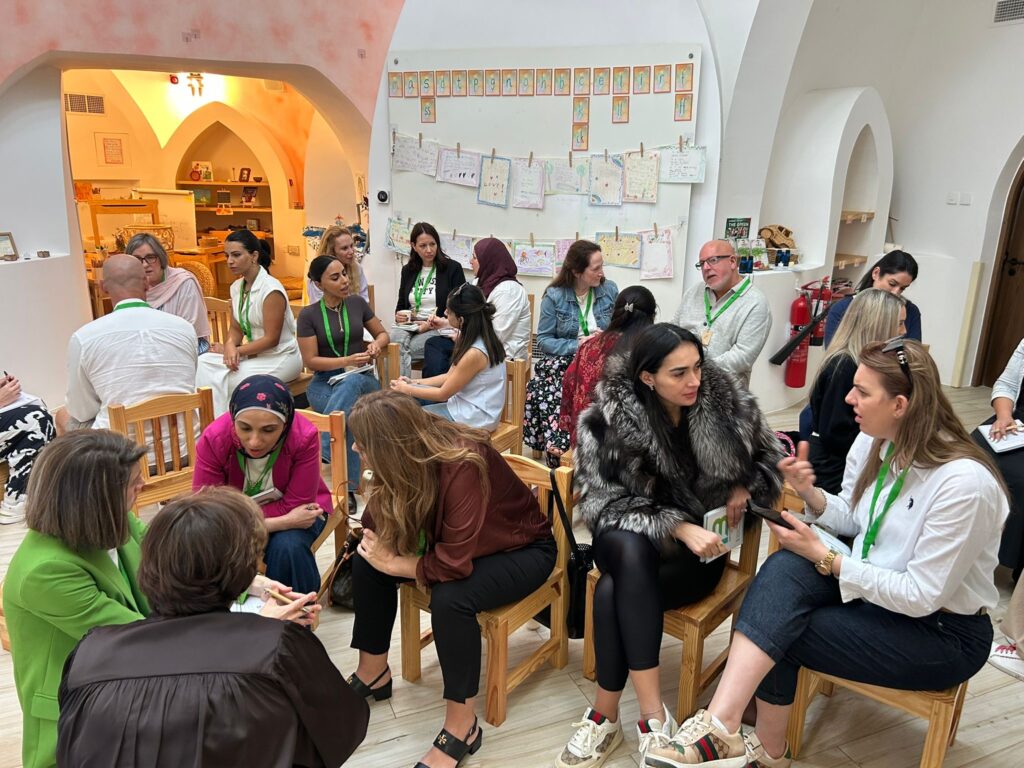
If you’re interested in working with an MSB Facilitator to bring the Action Learning Set process into your school, or if you are interested in becoming an Action Learning Set Facilitator (our preference is that you have completed MSBs Prologue, please be in touch.
Contributed by Naomi Ward, MSB’s Head of Learning.
References:
Permission to Pause: Rediscovering Spaciousness at Work, a Research Report by Professor Megan Reitz and John Higgins
